

What is the communication between traffic management and One Way System Signs?
May 29, 2025
Leave a message
Hey there! As a supplier of One Way System Signs, I've spent a ton of time thinking about the connection between traffic management and these signs. Let's dive right in and explore what this communication is all about.
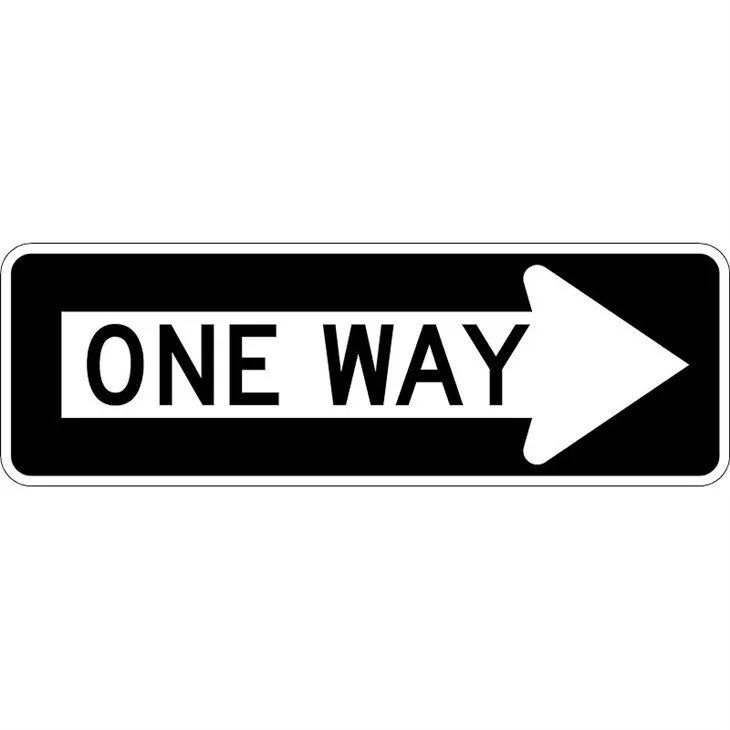
First off, what exactly are one - way system signs? Well, they're those signs you see on the roads that tell you which way traffic can flow. There are different types, like the One Way Right Sign. This sign is super straightforward. It tells drivers that traffic on that particular road can only move to the right. It's a simple yet powerful way to direct the flow of vehicles.
Traffic management is all about making sure that traffic moves smoothly, safely, and efficiently. And one - way system signs play a huge role in this process. Think about a busy city center. Without proper traffic management, it would be a complete chaos. Cars would be going in all directions, and there would be a high risk of accidents. One - way system signs help to organize this mess.
Let's say you have a narrow street in a downtown area. By implementing a one - way system with the appropriate signs, you can reduce the chances of head - on collisions. Drivers know exactly which way they should be going, and there's less confusion. This is especially important in areas with a lot of pedestrians, cyclists, and other vulnerable road users.
Another type of sign is the One Way Traffic Ahead Sign. This sign gives drivers advanced notice that they're approaching a one - way section of the road. It's like a heads - up, allowing them to adjust their driving accordingly. They can start to position their vehicle in the correct lane and be prepared for the change in traffic flow.
One - way systems also help with traffic flow optimization. When traffic is moving in one direction, it can move more quickly. There's no need to wait for oncoming traffic when making turns, and intersections can be designed more efficiently. This means less time spent in traffic jams for drivers, which is a huge plus.
Now, let's talk about cyclists. One - way system signs are not just for cars. There are also signs designed specifically for cyclists, like the Turn Right Bicycle Sign. These signs help to keep cyclists safe and guide them through the traffic system. In many cities, there are dedicated bike lanes that operate on one - way systems. The signs ensure that cyclists know where they can go and how to navigate the roads.
The communication between traffic management and one - way system signs is a two - way street (pun intended). Traffic management authorities decide where one - way systems are needed based on factors like traffic volume, road layout, and safety concerns. Once they've made the decision, they use one - way system signs to communicate this to the road users.
But it's not just about putting up the signs and forgetting about them. Traffic management also involves regular maintenance and monitoring of these signs. Signs need to be in good condition, clearly visible, and free from any obstructions. If a sign is damaged or faded, it won't be able to communicate the message effectively, which can lead to confusion and potential accidents.
Moreover, traffic management authorities need to ensure that the one - way system is actually working as intended. They might conduct traffic studies to see if the implementation of the one - way system has improved traffic flow and safety. If not, they may need to make adjustments, such as changing the direction of the one - way system or adding additional signs.
One - way system signs also need to be in line with local and national traffic regulations. Different regions may have different rules regarding the design, placement, and use of these signs. As a supplier, I have to make sure that the signs I provide meet all the necessary standards. This ensures that the communication between traffic management and road users is clear and legal.
In addition to the practical benefits, one - way system signs also have an impact on the overall aesthetics of an area. Well - designed signs can blend in with the surrounding environment and add to the visual appeal of the streets. On the other hand, poorly designed or placed signs can look out of place and detract from the beauty of a city.
When it comes to new developments, such as building a new shopping center or a housing estate, traffic management and one - way system signs are considered from the very beginning. Planners need to think about how traffic will move in and out of the area, and one - way systems can be an effective solution. By incorporating the right signs early on, they can avoid potential traffic problems in the future.

As a supplier of one - way system signs, I'm always looking for ways to improve the communication between traffic management and road users. I work closely with traffic management authorities to understand their needs and provide them with the best possible signs. Whether it's a simple one - way right sign or a more complex set of signs for a large intersection, I'm committed to delivering high - quality products.
If you're involved in traffic management, whether you're a city planner, a traffic engineer, or part of a local council, and you're looking for reliable one - way system signs, I'd love to have a chat with you. I can offer a wide range of signs that are designed to meet your specific requirements. Contact me, and let's start a conversation about how we can work together to improve traffic flow and safety in your area.
References
- "Traffic Engineering Handbook" by the Institute of Transportation Engineers
- "Principles of Highway Engineering and Traffic Analysis" by Fred L. Mannering, Scott S. Washburn, and Bhagwant Singh