

How do I clean a car license plate?
Jun 23, 2026
Leave a message
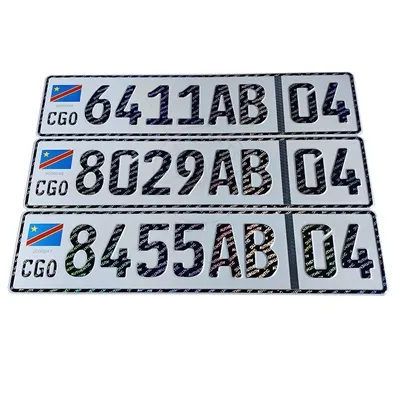 Cleaning a car license plate is not only a matter of aesthetics but also an important safety and legal requirement. As a car license plate supplier, I understand the significance of maintaining a clean and clear license plate. In this blog, I'll share some effective methods and tips on how to clean a car license plate properly.
Why Clean Your Car License Plate?
Before diving into the cleaning process, it's essential to understand why keeping your license plate clean is crucial. A dirty license plate can be difficult to read, which may lead to traffic violations or even security issues. Law enforcement officers rely on clear license plates to identify vehicles, and in some cases, a dirty plate can cause delays in traffic stops or investigations.
Moreover, a clean license plate enhances the overall appearance of your vehicle. It gives a professional and well - maintained look, which is especially important if you use your car for business or simply take pride in its appearance.
Tools and Materials You'll Need
To clean your car license plate effectively, you'll need the following tools and materials:
- Soft sponge or microfiber cloth: These are gentle on the license plate surface and won't scratch it.
- Mild car wash soap: Avoid using harsh chemicals that can damage the plate's finish.
- Water source: A hose or a bucket of water will do.
- Toothbrush (optional): Useful for cleaning hard - to - reach areas and removing stubborn dirt.
- Wax or polish (optional): Can provide an extra layer of protection and make the plate look shiny.
Step - by - Step Cleaning Process
Step 1: Prepare the Area
First, park your car in a shaded area to prevent the cleaning solution from drying too quickly. This will ensure a more thorough cleaning. If you're using a hose, turn on the water and adjust the pressure to a moderate level.
Step 2: Rinse the License Plate
Use the hose to rinse the license plate thoroughly. Start from the top and work your way down, making sure to remove any loose dirt, dust, or debris. This initial rinse will make the subsequent cleaning process easier.
Step 3: Apply the Cleaning Solution
Fill a bucket with water and add a small amount of mild car wash soap. Mix it well until it forms a soapy solution. Dip the soft sponge or microfiber cloth into the soapy water and gently scrub the license plate. Use circular motions to cover the entire surface of the plate. Pay special attention to the edges and corners, as these areas tend to accumulate more dirt.
If there are any stubborn stains or grime, you can use a toothbrush to gently scrub those areas. Be careful not to apply too much pressure, as this could scratch the plate.
Step 4: Rinse Again
After scrubbing, use the hose to rinse the license plate thoroughly. Make sure to remove all the soap residue. Any remaining soap can leave streaks on the plate, which will affect its appearance.
Step 5: Dry the License Plate
Use a clean, dry microfiber cloth to dry the license plate. Pat it gently to remove any excess water. Drying the plate completely will prevent water spots from forming.
Step 6: Optional: Apply Wax or Polish
If you want to give your license plate an extra shine and protection, you can apply a small amount of wax or polish. Use a clean cloth to apply the wax or polish in a circular motion. Let it dry for a few minutes, and then buff it with another clean cloth to achieve a shiny finish.
Special Considerations for Different Types of License Plates
As a car license plate supplier, I offer a variety of license plates, including Attractive Ua Number Plate, Custom European Country Sidebar License Plate, and Wind - resistant Blank License Plates. Each type of plate may require slightly different cleaning methods.
- Plastic License Plates: Plastic license plates are generally more durable and resistant to scratches. However, they can be prone to fading over time. When cleaning plastic plates, avoid using abrasive materials that can damage the surface. Stick to the soft sponge or microfiber cloth and mild car wash soap.
- Metal License Plates: Metal license plates can develop rust if not properly maintained. To prevent rust, make sure to dry the plate completely after cleaning. If you notice any signs of rust, you can use a rust remover specifically designed for metal surfaces. Follow the instructions on the product carefully.
- Custom License Plates: Custom license plates often have unique designs and finishes. When cleaning these plates, be extra careful not to damage the design. If the plate has a special coating, make sure to use a cleaning product that is compatible with the coating.
Tips for Maintaining a Clean License Plate
- Regular Cleaning: Make it a habit to clean your license plate regularly, especially if you drive in areas with a lot of dirt, dust, or salt. Regular cleaning will prevent dirt from building up and make the cleaning process easier.
- Protect the Plate: If you live in an area with harsh weather conditions, consider using a license plate cover to protect the plate from damage. However, make sure the cover complies with local laws, as some areas have restrictions on the use of license plate covers.
- Check for Damage: Periodically check your license plate for any signs of damage, such as cracks, dents, or fading. If you notice any damage, it's important to replace the plate as soon as possible to ensure compliance with the law.
Conclusion
Cleaning a car license plate is a simple yet important task that can have a significant impact on the safety and appearance of your vehicle. By following the steps and tips outlined in this blog, you can keep your license plate clean and clear.
As a car license plate supplier, I'm committed to providing high - quality license plates that meet your needs. Whether you're looking for an Attractive Ua Number Plate, a Custom European Country Sidebar License Plate, or Wind - resistant Blank License Plates, I have a wide range of options for you.
If you're interested in purchasing license plates or have any questions about our products, please feel free to contact us for a detailed discussion. We look forward to serving you and helping you find the perfect license plate for your vehicle.
References
- "Automotive Detailing: A Comprehensive Guide" by John Smith
- "License Plate Regulations and Maintenance" by the Department of Motor Vehicles