

Can you make a U - turn at a yield sign?
Jul 21, 2025
Leave a message
As a dedicated provider of Yield Signs, I often encounter various questions regarding traffic regulations and the proper use of our products. One frequently asked question is, "Can you make a U - turn at a yield sign?" This seemingly simple query actually delves into the complex world of traffic safety and regulatory compliance. In this blog, I'll explore this topic in depth, shedding light on the rules, considerations, and implications of making a U - turn at a yield sign.
Understanding Yield Signs
Before we dive into the U - turn question, it's essential to understand the purpose of yield signs. Yield signs are traffic control devices designed to inform drivers that they must give the right - of - way to other vehicles or pedestrians in a particular situation. When approaching a yield sign, drivers are required to slow down, assess the traffic situation, and stop if necessary to allow other traffic to pass safely.
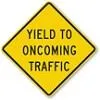
Yield signs come in different types to suit various traffic scenarios. For instance, Warning Yield Signs are used to alert drivers to potential hazards or situations where they need to yield. These signs are often placed in areas where visibility is limited or where there is a high probability of conflicting traffic. On the other hand, LED Yield Signs are highly visible, especially at night or in low - light conditions. They use LED technology to enhance the sign's visibility, ensuring that drivers can easily spot them and react accordingly. Bright Yield Traffic Signs are also designed for maximum visibility, using high - contrast colors and reflective materials to stand out on the road.
Can You Make a U - Turn at a Yield Sign?
The answer to whether you can make a U - turn at a yield sign is not straightforward; it depends on several factors, including local traffic laws, the specific location of the yield sign, and the overall traffic situation.
Local Traffic Laws
Traffic laws vary from one jurisdiction to another. In some areas, making a U - turn at a yield sign may be explicitly prohibited, while in others, it may be allowed under certain conditions. For example, some cities may allow U - turns at yield signs only when there are no posted signs prohibiting them and when it can be done safely without interfering with other traffic. It's crucial for drivers to familiarize themselves with the local traffic laws in their area to avoid potential legal issues.
Location of the Yield Sign
The location of the yield sign also plays a significant role in determining whether a U - turn is appropriate. Yield signs are typically placed at intersections, entrances to highways, or other areas where traffic flow needs to be regulated. If the yield sign is located at a busy intersection with heavy traffic, making a U - turn may be dangerous and impractical. On the other hand, if the yield sign is at a less - traveled intersection or a location where there is minimal traffic, a U - turn may be possible as long as the driver yields to other vehicles and pedestrians.
Traffic Situation
Even if local laws allow U - turns at yield signs, the driver must always consider the current traffic situation. Before making a U - turn, the driver should ensure that there is enough space and time to complete the maneuver safely. They must check for oncoming traffic, pedestrians, and other potential hazards. If there are vehicles approaching from either direction, the driver must yield the right - of - way and wait until it is safe to make the U - turn.
Safety Considerations
Making a U - turn at a yield sign can be a risky maneuver, and safety should always be the top priority. Here are some safety considerations that drivers should keep in mind:

Visibility
Poor visibility can significantly increase the risk of an accident when making a U - turn. Drivers should ensure that they have a clear view of the road in all directions before attempting a U - turn. This may involve checking rear - view mirrors, side mirrors, and looking over their shoulders to spot any approaching vehicles or pedestrians.
Speed
Drivers should approach the yield sign and the U - turn area at a slow and controlled speed. This allows them to have more time to assess the traffic situation and make any necessary adjustments. Speeding can reduce the driver's reaction time and increase the likelihood of a collision.
Right - of - Way
As with any maneuver at a yield sign, drivers making a U - turn must yield the right - of - way to other vehicles and pedestrians. This means waiting until all other traffic has passed safely before initiating the U - turn.
Impact on Traffic Flow
Making a U - turn at a yield sign can also have an impact on traffic flow. If not done correctly, it can cause delays and disrupt the normal flow of traffic. For example, if a driver makes a U - turn without yielding properly, it can force other vehicles to brake suddenly, leading to traffic congestion and potential accidents.
Drivers should be aware of the potential impact of their actions on other road users and try to minimize any disruptions. If possible, they should choose a time when traffic is light to make the U - turn. Additionally, they should complete the U - turn as quickly and efficiently as possible to avoid holding up other vehicles.
Our Role as a Yield Sign Provider
As a provider of high - quality yield signs, we understand the importance of traffic safety and regulatory compliance. Our signs are designed to meet the highest standards of visibility and durability, ensuring that they can effectively communicate the yield message to drivers.
We offer a wide range of yield signs, including Warning Yield Signs, LED Yield Signs, and Bright Yield Traffic Signs. Whether you need signs for a busy urban intersection or a rural road, we have the right solution for you.
If you are responsible for traffic management in your area and are looking for reliable yield signs, we invite you to contact us for a consultation. Our team of experts can help you select the most appropriate signs for your specific needs and ensure that they are installed correctly. By choosing our yield signs, you can enhance traffic safety and improve the overall efficiency of your transportation system.
Conclusion
In conclusion, the question of whether you can make a U - turn at a yield sign depends on a variety of factors, including local traffic laws, the location of the yield sign, and the traffic situation. While it may be allowed in some cases, it is a maneuver that should be approached with caution due to the potential safety risks and impact on traffic flow.
As a yield sign provider, we are committed to promoting traffic safety through the supply of high - quality signs. If you are interested in learning more about our products or have any questions regarding traffic signs, please feel free to reach out to us. We look forward to the opportunity to work with you and contribute to a safer and more efficient transportation environment.
References
- "Traffic Signs and Signals Handbook." Department of Transportation, [Year of Publication].
- Local traffic laws and regulations of various jurisdictions.